

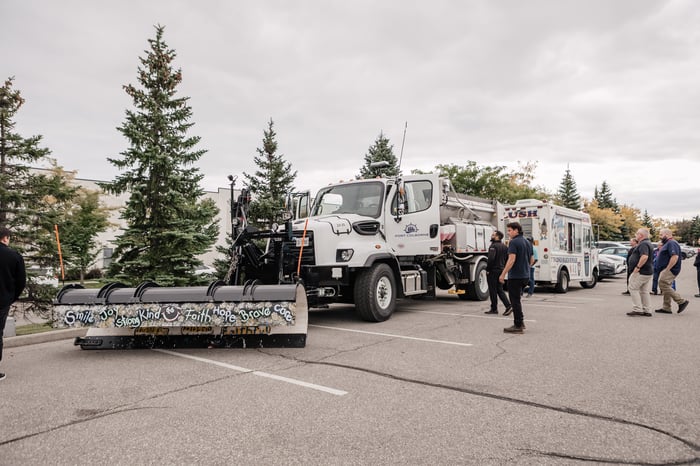
At DiCAN Pulse, one of the most valuable parts of bringing our customers together is the opportunity to see fleet technology in action. This year, we were pleased to welcome the City of Port Colborne, who brought a fully equipped plow truck to our event for attendees to explore.
We want to thank the Port Colborne team for taking the time to bring their truck and share their setup with fellow municipalities and fleet professionals. Having a real municipal vehicle on-site gave attendees the opportunity to see how different technologies can work together to support winter operations, improve visibility, and help teams make informed decisions.
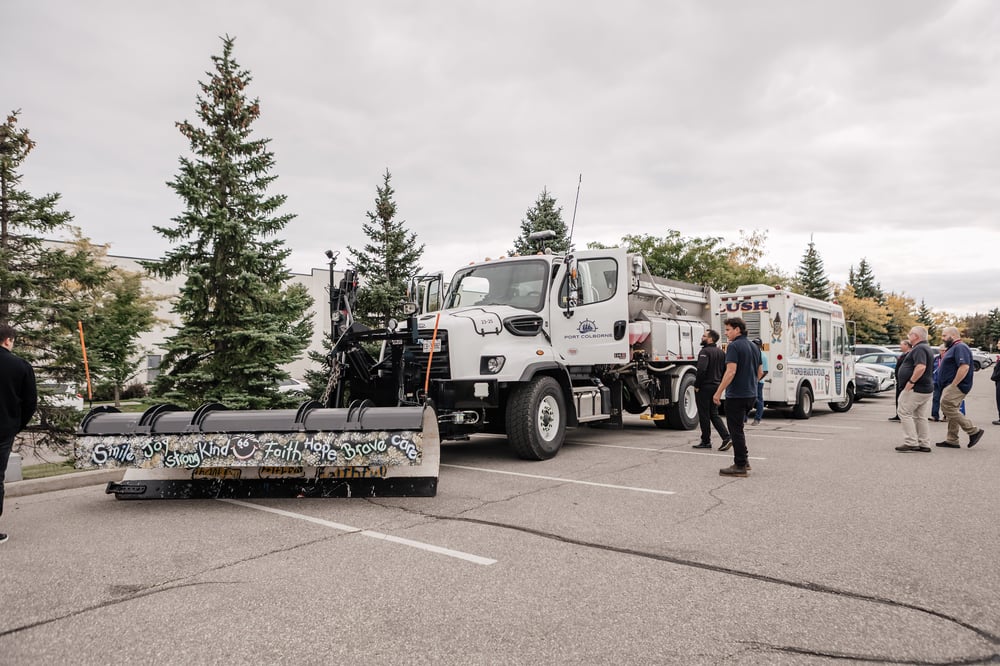
Inside Port Colborne’s Plow Truck Setup
Port Colborne’s truck featured a range of technologies from DiCAN and our partners, demonstrating how connected equipment can support operators, fleet managers, and public works teams throughout the winter season.
Here’s a closer look at what was on board.
Cameras and Visibility
Operating a plow truck during winter presents unique visibility challenges. Port Colborne’s setup included a dash camera and a multi-camera system designed to give the operator better visibility around the vehicle.
- CP4 dash camera: Capturing forward-facing video to help document vehicle activity and events.
- Quad camera system: Providing forward-facing, wing-facing, and rear-facing views, along with a view of the spreader, through a quad monitor in the cab.
- Triple camera wash system with air blow-off: Helping keep camera lenses clear by washing them and using air to remove water and debris.
With views covering key areas around the truck, operators can better monitor their equipment and surroundings while performing winter maintenance. The camera wash system also helps maintain visibility when snow, slush, and road debris build up during operations.
Winter Operations and Equipment Monitoring
The truck also featured technologies designed to support winter maintenance activities, monitor equipment, and provide useful operational data.
- LASERLINE GL3000PMC laser: Helps the operator identify the end of the plow blade and visualize its projected path, particularly when snow, darkness, or poor weather conditions make it difficult to judge the blade’s position. This can help operators navigate tight spaces and work more confidently during winter maintenance.
- Plow Pilot: Capturing plow blade position data through the vehicle’s telematics system, helping fleets document plow activity and support operational reporting.
- GuardianPlus: Providing environmental monitoring capabilities to help teams better understand road and weather conditions.
- Good To Go Basic: Mounted on the plow pedestal and equipped with a momentary mute button and park brake switch, providing a setup suited to the truck’s plow operations.
These technologies demonstrate how equipment monitoring and vehicle data can help municipalities better understand their winter operations and support reporting and accountability.
Vehicle Tracking and the Geotab Platform
At the centre of the truck’s connected fleet setup was a Geotab GO9 device, providing the vehicle connectivity needed to bring telematics data into the Geotab platform.
Geotab gives fleet managers access to vehicle data that can help them monitor fleet activity, review vehicle performance, and make informed operational decisions. When combined with specialized equipment and sensors, telematics can provide a more complete picture of what is happening in the field.
For municipalities managing winter maintenance, this connected approach can help bridge the gap between vehicle activity and the information needed to oversee fleet operations.
Rasters: Connecting Technology to Operations
The truck also featured a tablet connected to Rasters, CDWare Technologies’ public works operations platform.
Having the tablet on board gave attendees a chance to see how software can be incorporated into the vehicle environment alongside its cameras, telematics, and winter operations equipment. Bringing these tools together demonstrates how hardware and software can complement one another to support municipal fleet workflows.
Why Seeing the Technology in Person Matters
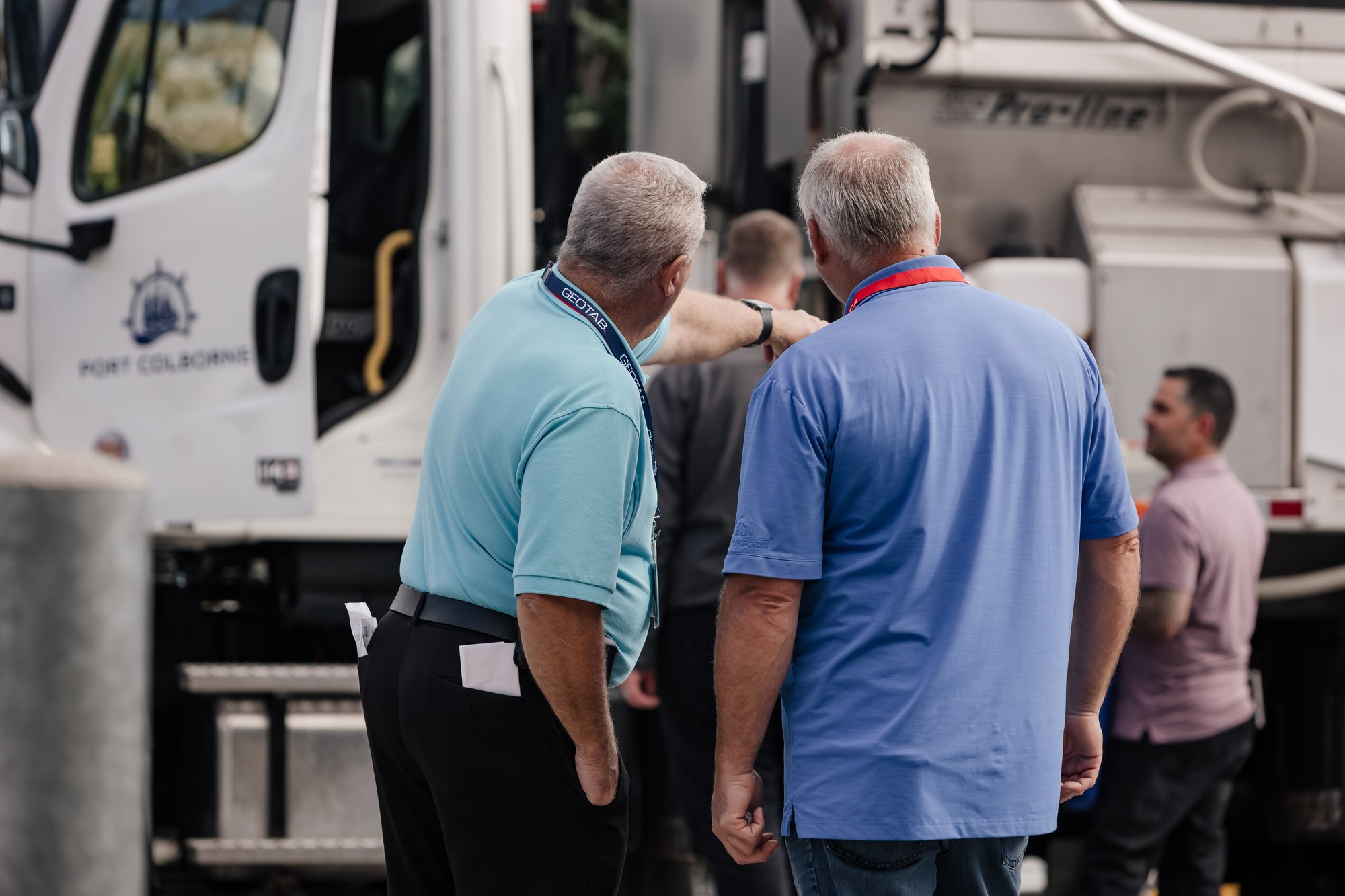
Product descriptions and specifications are helpful, but seeing equipment installed on an actual municipal vehicle provides a different perspective.
For municipalities considering new technology, an equipped truck offers an opportunity to explore how solutions fit into an existing fleet, how different systems complement one another, and how the right combination of tools can support day-to-day operations.
It also creates an opportunity for practical conversations. Fleet teams can see the equipment firsthand, ask questions, and consider how similar applications might address their own operational challenges.
Port Colborne’s truck provided a real-world example of how cameras, telematics, equipment monitoring, and operational software can come together on a single vehicle. Rather than looking at each product individually, attendees could see how the different components fit into a broader winter operations setup.
For municipalities looking to improve visibility, document plow activity, or make better use of fleet data, seeing these technologies in context can help clarify what may be valuable for their own operations.
Thank You, City of Port Colborne
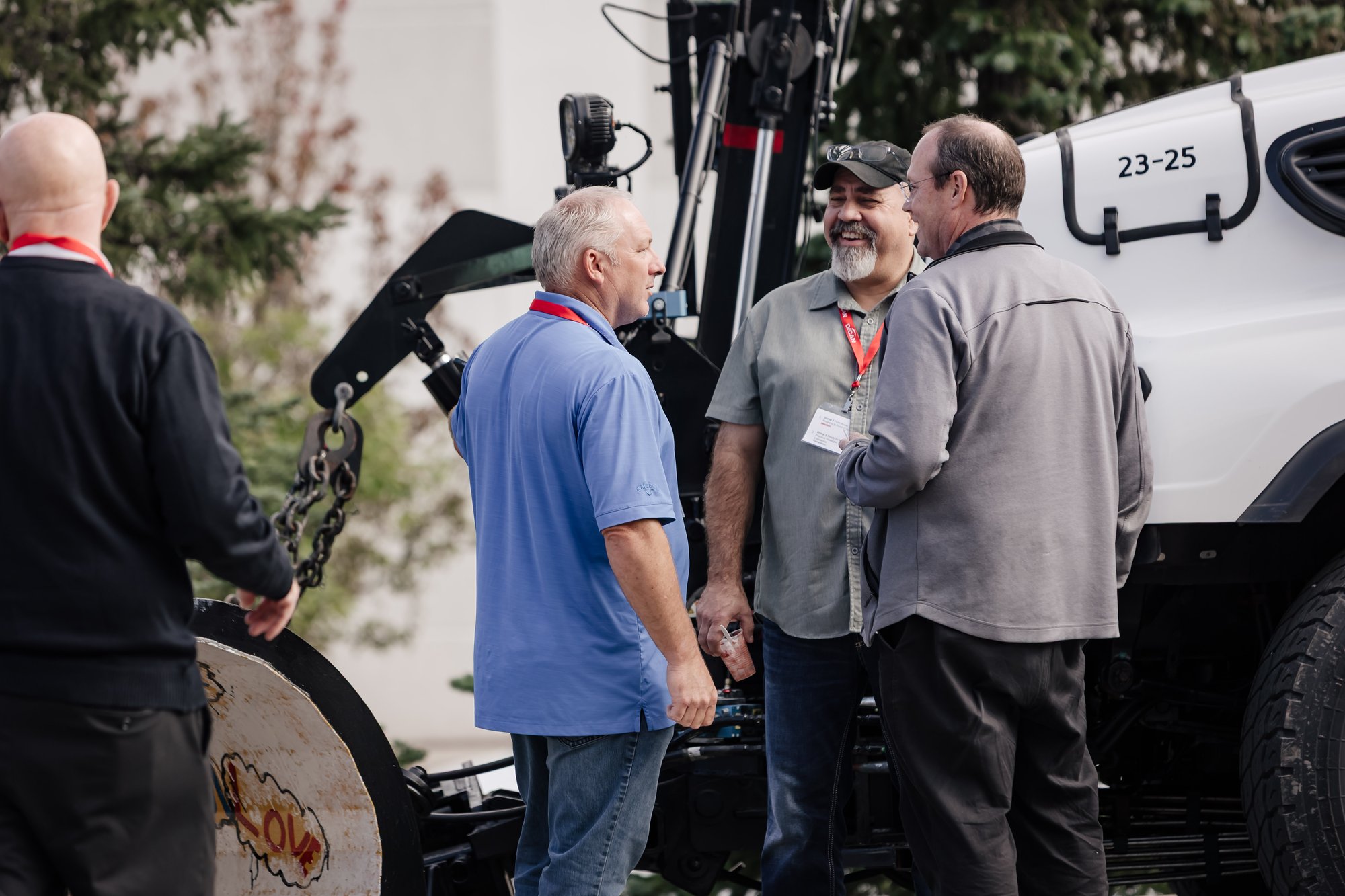
We appreciate the City of Port Colborne taking the time to bring their plow truck to DiCAN Pulse and share their setup with our community.
Customer participation is what makes events like Pulse so valuable. By sharing real-world applications, our customers help other municipalities discover new possibilities, learn from one another, and make more informed decisions about their fleets.
Thank you to Port Colborne for helping make this year’s event a success!
Interested in learning how DiCAN can help equip your municipal fleet for winter operations? Contact our team to discuss your fleet’s needs and explore solutions for vehicle visibility, equipment monitoring, and connected fleet management.


